

Practicing a zero waste lifestyle is more than reducing waste; it is all about living sustainability and taking ecologically awake decisions that would help in making our Earth a better home for all. We hope this guide is going to take you through practical and impactful ways to reduce your environmental footprint by adopting a lifestyle all about waste reduction, recycling, and consuming consciously.
Whether you’re just starting or need to take your game up a notch to a more intermediate level, here are some strategies that can help you see big gains in making your home green and sustainable.
10 Essential Tips for Embracing a Zero Waste Lifestyle at Home

1. Start with a Waste Audit
Be aware of the predominant waste pattern during sustainable living. Do a one-week trash audit, and you will find the type of garbage that most often comes from your household.
This will give you a predominant idea about your consumption habits and areas for improvement. Focuses on reducing single-use plastics, food waste, and unnecessary packaging as the basis of a zero waste lifestyle.
2. Embrace Reusable Alternatives
To live green, remove the disposables from your house and replace them with reusables. Buy shopping bags, water bottles, coffee mugs, and even straws—all reusable.
Have a preference for cloth over paper regarding napkins and towels. These are all major changes that will minimize your waste in the home, so they are all part of green living.
3. Prioritize Recycling and Composting
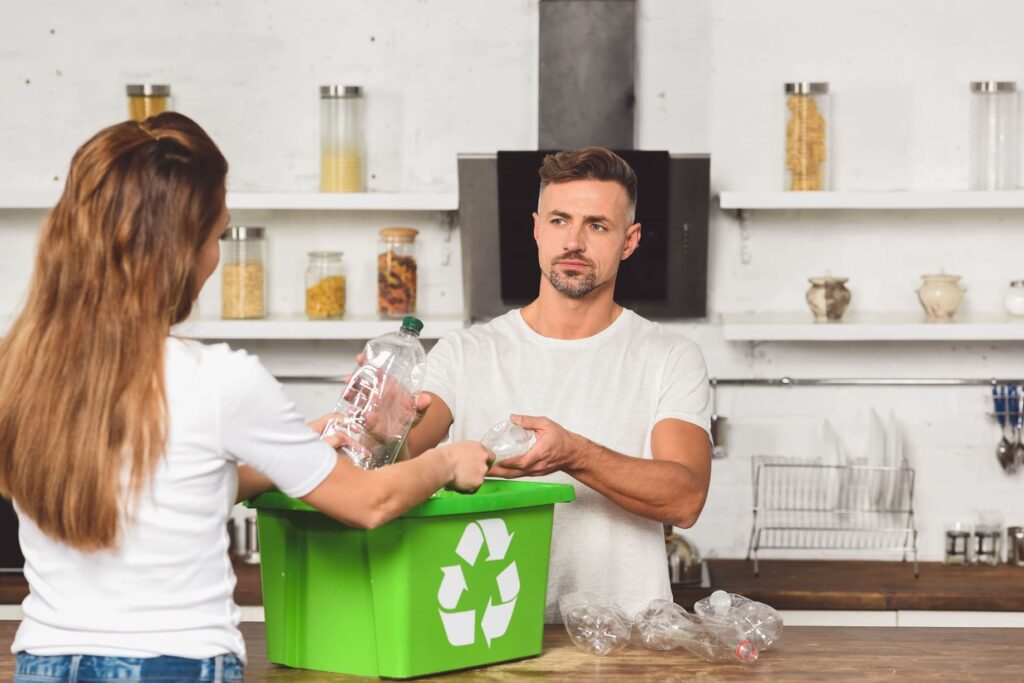
Another way of reducing landfills is through recycling and composting. Seek local recycling guidelines to sort and place the recyclable stuff in the right place. You may add organic waste, for example, food remains or yard clippings to start a compost bin that will make valuable compost for your garden. A compost bin enriches the soil and supports a sustainable practice.
4. Buy in Bulk and Avoid Plastic Packaging
Consider purchasing in large quantities that reduce individual wrapping of food and related items. Bring your own containers when buying food and related items from a bulk store and reduce plastic packaging. Try to opt for products with little packaging or, even better, go for eco-friendly packaging so that you keep your waste close to zero.
5. DIY and Home Solutions
Replace them with DIY products for cleaning and personal care: prepare your cleaners, soaps, and even some beauty products. That not only keeps the environment but is very practical, as you will reduce the use of plastic containers.
Start using products like vinegar, baking soda, and essential oils in whatever amounts you are sure to live a life that has reduced chemical waste.
6. Reduce, Reuse, Recycle Mindfully
Zero waste lifestyles work in the ratio of the three Rs: reduce, reuse, recycle. First, whatever one uses, he needs to reduce it, or rather, reuse it. Finally, one should recycle it as a last resort, but only after proper use. The centre of each practice is to minimize waste generation.

7. Second-hand and Sustainable Shopping
Choose second-hand and buy from sustainable brands when buying anew. Buying secondhand furniture, clothing, or electronics will reduce the generation of waste material and make a contribution to the circular economy.
Only when absolutely necessary should new acquisitions be made from companies that are committed to environmentally friendly practices and offer their items with preferably long durability made from sustainable materials.
8. Digitalize to Minimize Paper Waste
Start receiving your bills, subscriptions, and note-taking in digital forms to save the use of paper and reduce wastage. It would also involve using digital technology for reading and organizing life, drastically reducing the need for producing printed materials and encouraging ecological living.
9. Grow Your Own Food
It contributes to leading a zero waste lifestyle: home gardening. Growing at your place, vegetables, herbs, and fruits cut off the extra packaging that usually ends as waste from bought produce at the store.
One is assured of having fresh organic food at whatever time he or she wants. Gardening also promotes sustainable living by encouraging a closer connection with the Earth and the food we consume.

10. Advocate for Change and Educate Others
Living a zero waste life also means being an environmental change advocate through educating the people around you. Introduce your family members, friends, and social media followers to your path, the difficulties, and what you have managed to accomplish. You induce them to take up such eco-friendly activity, which means influence on the activity effect.
Conclusion
Making a zero waste lifestyle at home takes determination, creativity, and mindfulness. Here are ten strategies you can implement to reduce your personal environmental impact while contributing to a movement developed around the world.
Eco-friendly practices, the reduction of wastage, and sustainable living are some of the ways that you can adopt to save your planet for future generations. Remember, every little deed counts in this long journey towards a zero-waste lifestyle.